Introduction to Animeidhen
Anime culture has evolved dramatically over the past few decades, transforming from a niche interest into a global phenomenon that influences art, storytelling, fashion, and even technology. Within this ever-expanding universe, new terms and concepts frequently emerge, reflecting shifts in how audiences engage with animated storytelling. One such intriguing and increasingly discussed term is Animeidhen. While it may not yet be widely recognized in mainstream discourse, it carries a layered meaning that resonates deeply with modern anime enthusiasts.
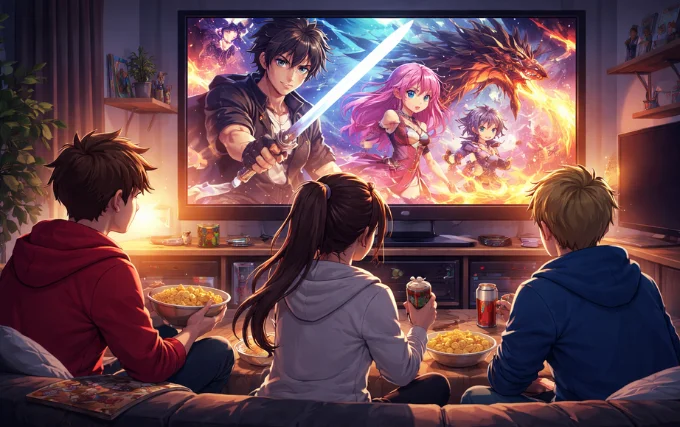
At its core, Animeidhen can be understood as a conceptual blend of identity, immersion, and artistic expression within anime culture. It goes beyond simply watching anime; it represents a way of experiencing narratives on a personal level. The term encapsulates how viewers connect emotionally and psychologically with characters, themes, and worlds, often blurring the lines between fiction and personal identity.
What makes Animeidhen particularly fascinating is its flexibility. Unlike rigid genre labels such as shonen or seinen, Animeidhen is more philosophical than categorical. It addresses how anime shapes perception, influences behavior, and becomes part of an individual’s sense of self. This makes it especially relevant in today’s digital age, where media consumption is deeply intertwined with personal identity formation.
As anime continues to reach wider audiences across different cultures, concepts like Animeidhen help articulate the deeper impact of this medium. It provides a framework for understanding why anime resonates so strongly with people and how it evolves from mere entertainment into a meaningful part of life.
The Origins and Evolution of Animeidhen
The term Animeidhen does not have a clearly documented origin, which adds to its mystique. It appears to have emerged organically within online communities, where fans often create new vocabulary to describe shared experiences. These digital spaces—forums, social media platforms, and fan groups—serve as incubators for new ideas, and Animeidhen is a product of that collaborative creativity.
Initially, the concept may have been used informally to describe a deep emotional connection with anime characters or storylines. Over time, however, its meaning expanded. It began to encompass not just emotional attachment but also identity alignment—how individuals see themselves reflected in anime narratives. This evolution mirrors the broader trajectory of anime fandom, which has grown more introspective and analytical.
As streaming platforms made anime more accessible worldwide, the diversity of viewers increased. With this came a broader range of interpretations and experiences. Animeidhen evolved to include these varied perspectives, becoming a more inclusive and multifaceted concept. It now represents a collective understanding of how anime influences identity across different cultures and backgrounds.
Interestingly, Animeidhen also reflects the shift from passive consumption to active engagement. Fans no longer just watch anime; they analyze it, create fan art, write fan fiction, and participate in discussions. This active involvement deepens their connection to the medium, reinforcing the principles underlying Animeidhen.
Core Elements of Animeidhen
To truly understand Animeidhen, it is essential to break down its core components. These elements work together to create the unique experience that defines the concept.
The first element is emotional immersion. Anime has a distinct ability to evoke strong emotions, whether through dramatic storytelling, relatable characters, or visually striking scenes. Animeidhen emphasizes this emotional connection, highlighting how viewers become deeply invested in the narratives they consume.
The second element is identity reflection. Many anime characters face challenges related to self-discovery, purpose, and belonging. Viewers often see aspects of themselves in these characters, leading to a sense of identification. Animeidhen captures this phenomenon, where the boundary between viewer and character becomes fluid.
Another key component is aesthetic appreciation. Anime is known for its unique art styles, ranging from highly detailed realism to abstract minimalism. Animeidhen includes an appreciation for these visual elements, recognizing how they contribute to the overall experience and emotional impact.
Finally, there is community engagement. Animeidhen is not experienced in isolation. It thrives in communities where fans share their interpretations, discuss theories, and celebrate their favorite series. This collective interaction enhances the individual experience, making it richer and more meaningful.
Animeidhen and Modern Fandom Culture
Modern fandom culture is vastly different from what it was a decade ago. The rise of social media and digital platforms has transformed how fans interact with content and each other. Animeidhen fits seamlessly into this new landscape, offering a lens through which to understand these changes.
One of the most notable aspects of modern fandom is its participatory nature. Fans are no longer passive consumers; they are creators, critics, and collaborators. Animeidhen reflects this shift by emphasizing active engagement. Whether it’s through fan art, cosplay, or online discussions, fans contribute to the ongoing evolution of anime culture.
Another important aspect is the globalization of anime. What was once primarily a Japanese cultural export has become a worldwide phenomenon. Animeidhen helps bridge cultural gaps by focusing on universal themes such as identity, emotion, and personal growth. These themes resonate with audiences regardless of their cultural background.
Additionally, modern fandom is characterized by its diversity. People from different age groups, professions, and lifestyles come together to share their love for anime. Animeidhen embraces this diversity, recognizing that each individual’s experience is unique yet interconnected.
The concept also highlights the importance of digital spaces in shaping fandom culture. Online communities provide a platform for fans to express themselves, share their experiences, and connect with others who share their interests. Animeidhen thrives in these environments, where ideas and interpretations can be freely exchanged.
Psychological Impact of Animeidhen
The psychological dimension of Animeidhen is one of its most compelling aspects. Anime has long been recognized for its ability to influence emotions and thought processes, but Animeidhen takes this a step further by examining how these influences shape identity.
One of the primary psychological effects is empathy development. Anime often explores complex characters and moral dilemmas, encouraging viewers to see the world from different perspectives. This fosters a deeper sense of empathy, which can extend beyond the screen into real-life interactions.
Another significant impact is self-reflection. Many anime series deal with themes of personal growth and self-discovery. Through Animeidhen, viewers engage with these themes on a personal level, using them as a mirror to examine their own lives and choices.
Animeidhen also contributes to emotional resilience. Characters in anime frequently face adversity and overcome challenges, providing inspiration for viewers. This can be particularly meaningful for individuals dealing with their own struggles, offering a sense of hope and motivation.
However, it is important to acknowledge that Animeidhen can also have drawbacks if not balanced properly. Excessive immersion in fictional worlds may lead to escapism, where individuals avoid real-life responsibilities. Understanding this balance is crucial for maintaining a healthy relationship with anime.
Animeidhen in Creative Expression
Creativity is a central aspect of Animeidhen. The concept not only involves consuming anime but also creating and interpreting it in new ways. This creative dimension is what keeps anime culture dynamic and ever-evolving.
Fan art is one of the most visible expressions of Animeidhen. Artists reinterpret characters and scenes, adding their own style and perspective. This not only showcases their talent but also deepens their connection to the source material.
Fan fiction is another powerful form of creative expression. Writers explore alternative storylines, character relationships, and “what-if” scenarios. Through this process, they engage with the narrative on a deeper level, embodying the principles of Animeidhen.
Cosplay is yet another manifestation of this concept. By dressing up as their favorite characters, fans bring fictional worlds into reality. This physical embodiment of anime characters is a unique way of expressing identity and admiration.
Animeidhen also influences original creations. Many artists and writers draw inspiration from anime, incorporating its themes and styles into their own work. This cross-pollination of ideas contributes to the broader creative landscape.
The Future of Animeidhen
As anime continues to grow in popularity, the concept of Animeidhen is likely to become more prominent. Its emphasis on identity, immersion, and creativity aligns with the direction in which media consumption is heading.
Technological advancements will play a significant role in shaping the future of Animeidhen. Virtual reality and augmented reality, for example, have the potential to create even more immersive experiences. These technologies could deepen the connection between viewers and anime worlds, enhancing the principles of Animeidhen.
The increasing diversity of anime content will also contribute to its evolution. As creators explore new themes and perspectives, viewers will have more opportunities to find stories that resonate with them. This will further strengthen the identity aspect of Animeidhen.
Education and academic research may also begin to explore this concept in greater depth. As anime gains recognition as a legitimate form of art and storytelling, concepts like Animeidhen could become part of scholarly discussions.
Ultimately, the future of Animeidhen will be shaped by the fans themselves. Their creativity, engagement, and passion will continue to drive its evolution, ensuring that it remains a relevant and meaningful part of anime culture.
Conclusion
Animeidhen represents more than just a term; it is a reflection of how deeply anime has embedded itself into modern culture and individual identity. By combining emotional immersion, identity reflection, aesthetic appreciation, and community engagement, it captures the essence of what makes anime so impactful.
In a world where media consumption is increasingly personal and interactive, concepts like Animeidhen provide valuable insight into the relationship between content and audience. It highlights how stories can shape perceptions, influence emotions, and even become part of who we are.